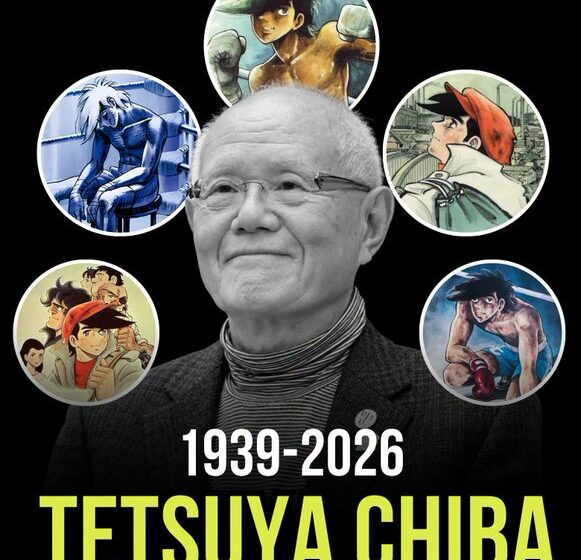

TOKYO, JAPAN — Japan is mourning the death of Tetsuya Chiba, the legendary manga artist best known for illustrating Ashita no Joe, the influential boxing series that became a landmark of Japanese popular culture. Chiba died at a hospital in Tokyo on October 22, 2026, at the age of 87. His family announced his death publicly on October 27 through a statement released via his publisher.
His passing marks the end of a remarkable creative career spanning approximately 70 years. Through stories of ambition, hardship, rivalry and perseverance, Chiba helped shape modern sports manga and inspired generations of readers, artists and storytellers.
For millions of fans, his work was more than entertainment. His characters reflected the struggles of ordinary people seeking dignity and purpose, helping establish manga as a powerful medium for exploring human emotions and social change.
What Happened to Tetsuya Chiba?
Chiba died on Thursday, October 22, at a Tokyo hospital, according to a statement from his family. He was 87.
Japanese media reported that he died from myelodysplastic syndrome, a disorder affecting the bone marrow’s ability to produce healthy blood cells. His death was publicly announced five days later.
His wife, Sachiko Chiba, expressed gratitude to the people who supported her husband throughout his life and to the readers who embraced his work. She said he had been fortunate to remain active as an artist over a career lasting seven decades.
The family held a private funeral and requested that the public refrain from sending flowers, gifts, condolence money or telegrams, and from making visits to pay their respects.
Chiba’s publisher, Shogakukan, also paid tribute to his contribution to postwar Japanese manga, praising the humanity and hopes for peace reflected in his work. A separate memorial gathering was being considered, with further details to be announced if arrangements were finalized.
Early Life and the Beginning of a Creative Career
Born in Tokyo on January 11, 1939, Tetsuya Chiba experienced a childhood shaped by the upheaval of World War II.
As a young child, he moved with his family to Japanese-controlled Manchuria, in present-day northeastern China. The family endured the turmoil surrounding Japan’s surrender in 1945 before eventually returning to Japan in 1946.
These experiences formed an important part of his personal history. His later work often reflected a deep interest in human suffering, resilience and the importance of peace.
Chiba entered the professional manga industry in 1956, when he was 17. He initially created stories for younger readers and developed his craft across different genres before gaining wider recognition for his sports-themed work.
Over time, he became known for expressive characters, emotionally compelling narratives and an ability to portray both the excitement of competition and the personal struggles of those pursuing their ambitions.
Ashita no Joe: The Manga That Defined a Generation
Chiba’s most celebrated work was Ashita no Joe, created with writer Asao Takamori, who also used the name Ikki Kajiwara. The series began serialization in 1968 and followed Joe Yabuki, a troubled young man who seeks a future through professional boxing.
The story combined the physical intensity of the sport with themes of perseverance, rivalry, sacrifice and the search for identity. Joe’s journey resonated with readers who recognized in him the determination to overcome difficult circumstances and build a meaningful life.
The series became a cultural phenomenon in Japan. Its popularity extended beyond manga readership, influencing television adaptations, public conversations and the wider representation of sports in popular culture.
One of the most memorable examples of its impact came in 1970, when fans organized a mock funeral for the fictional boxer Toru Rikiishi. The unusual tribute demonstrated how deeply readers had connected with the characters and their struggles.
Chiba’s other notable works included Ore wa Teppei, Harris no Kaze, Shiden-kai no Taka and Notari Matsutaro. Together, these titles demonstrated his range and helped cement his position among the defining manga artists of postwar Japan.
A Historic Honor for Manga
In 2024, Chiba became the first manga artist to receive Japan’s Order of Culture, one of the country’s highest cultural honors.
The recognition represented a milestone not only for Chiba but also for the manga industry, reflecting the growing acknowledgment of comics as an important part of Japan’s cultural and artistic heritage.
He also held leadership roles in the Japan Cartoonists Association, serving as its chairman and later president. His influence extended beyond his own publications, contributing to the recognition and development of the wider manga community.
Throughout his career, Chiba remained associated with stories that emphasized compassion, human dignity and the determination to keep moving forward. His work reached audiences across generations and helped demonstrate that illustrated storytelling could address serious themes while remaining accessible to a broad readership.
Family and Memorial Arrangements
Chiba is survived by his wife, Sachiko, who released the family’s announcement of his death. The family has requested privacy and declined public condolence gifts and visits.
His funeral was held privately with close relatives. A separate memorial gathering was under consideration, but finalized arrangements had not been announced in the reports reviewed.
Fans wishing to honor his memory can revisit his extensive body of work, particularly Ashita no Joe, which remains one of the most recognizable titles in Japanese sports manga.
Remembering Tetsuya Chiba
Tetsuya Chiba leaves behind a legacy that extends far beyond the pages of his manga. Through characters who confronted adversity and pursued their ambitions, he created stories that spoke to readers about courage, sacrifice, friendship and the complexity of human life.
His influence can be seen in the lasting popularity of sports manga and in the generations of artists who followed the path he helped establish. His work also reflected the experiences of a generation shaped by war and the desire to build a more peaceful future.
As Japan’s manga community mourns his passing, readers around the world have an opportunity to celebrate the stories and characters that made his work unforgettable.
Tetsuya Chiba will be remembered as a pioneering artist whose imagination helped shape modern manga. Sincere condolences go to his wife, family, colleagues and the countless readers whose lives were touched by his work. May his legacy continue through the stories he leaves behind.